Adult Anion Gap Calculator: How to Read the Result
What the Anion Gap Measures
The anion gap is a computed value used to measure acid-base balance in the body. It comes from an electrolytes blood test and shows the relationship between commonly measured ions, especially sodium, chloride, and bicarbonate. For adult patients, this number can provide useful clues about an acid-base disorder, especially when metabolic acidosis is suspected.
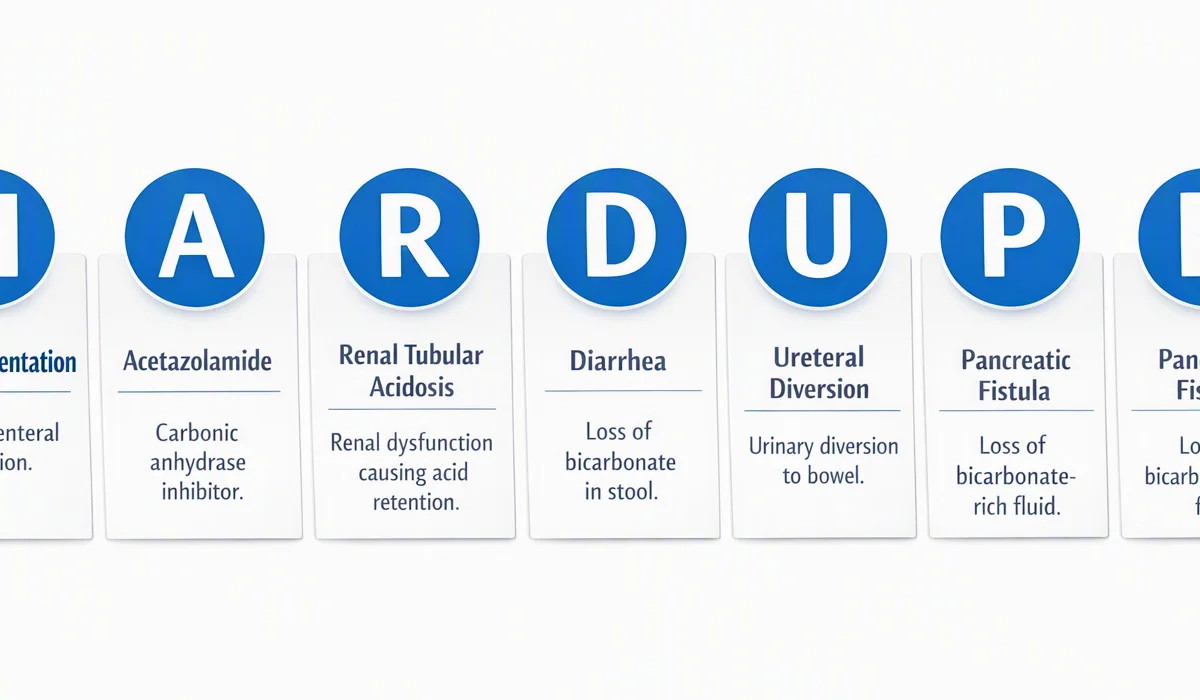
Think of the anion gap as a view into the difference between measured positive and negative charges in the blood. Because routine testing does not measure every charged particle, the result represents the amount of unmeasured anions that may be present. A higher-than-expected result can point to extra acids in the bloodstream, while a lower-than-expected result may point to changes in protein levels, testing issues, or other conditions. This is why the anion gap is so helpful in laboratory analysis and broader clinical interpretation.
In practice, the anion gap is most often used as part of a larger electrolyte panel. It does not stand alone as a diagnosis, but it can guide a clinician toward the next steps in a diagnostic workup. When paired with serum electrolytes and sometimes a blood gas, it helps determine whether a metabolic disturbance is present and whether it is related to acids such as organic acids or other causes of anion deficit.
How to Work With an Anion Gap Calculator
An anion gap calculator makes calculation easy by using your lab values for sodium, chloride, and bicarbonate. The common calculator formula is:
Anion gap = sodium - (chloride + bicarbonate)
This formula uses serum sodium as the main measured cation and subtracts the sum of serum chloride and serum bicarbonate. This result is the calculated value that helps estimate the amount of unmeasured anions.
In order to use the calculator accurately, enter the exact values from the electrolyte panel. low AG etiologies Even small differences in laboratory values can change the final number. If the report includes units, make sure they correspond to the standard format used by the calculator. Most adult calculators are designed for the same common units used in routine laboratory analysis.
When you review results, remember that the calculator is only a tool. The number should always be interpreted in context with symptoms, other test results, and the overall clinical interpretation.
For example, if sodium is 140, chloride is 104, and bicarbonate is 24, the anion gap is 12. This can fall within the typical reference interval in many laboratories. However, the exact cutoff depends on the lab’s method and reporting system.
Usual Anion Gap Range in Adults
The normal range for the anion gap in adults changes by laboratory, so the best way to interpret a result is to evaluate it alongside the local reference range reported with the test. Different techniques and instruments can change the expected value slightly. This is why the same result may be considered normal in one lab and borderline in another.
In many settings, the anion gap is viewed along with electrolyte levels and the associated lab results. A result within the expected range usually suggests no major accumulation of extra acids and no obvious large anion deficit. A result outside that range may indicate a metabolic issue, but it still needs context.
Albumin plays a major role in the typical anion gap because it is one of the main unmeasured negatively charged proteins in the blood. If albumin is low, the anion gap may appear lower than expected even when the patient’s acid-base status is not truly normal. This is why the interpretation of the normal interval should consider protein concentrations and not just the raw number.
For adult patients, the most useful approach is to look at the anion gap alongside the full electrolyte profile, electrolyte values, and sometimes a blood gas. That combination gives a much clearer picture of the body’s acid-base state than the calculated value alone.
Elevated Anion Gap Causes
A elevated anion gap usually suggests that additional acids are present in the blood. This pattern is often seen in metabolic acidosis, where the body has built up acids or depleted bicarbonate in a way that leaves more unmeasured negative ions behind. Identifying the cause is important because the treatment depends on the source of the problem.
One frequent cause is lactic acidosis, which occurs when lactate builds up more quickly than the body can clear it. This can happen with reduced oxygen delivery, severe illness, or other forms of metabolic stress. A blood lactate level may be helpful in the diagnostic workup when this is suspected. Another frequent cause is ketoacidosis, where ketones accumulate and raise the gap. This can occur in diabetes, prolonged fasting, or certain alcohol-related states.
Impaired kidney function can also produce a increased anion gap because the kidneys are less able to eliminate acids and preserve normal electrolyte balance. In this setting, reduced renal function may lead to retention of acid products and a growing burden of organic acids.
Exposure to harmful alcohols is another important cause. Substances such as methanol or ethylene glycol can lead to severe metabolic disturbance and significant acidosis. These situations are medical emergencies and typically require urgent evaluation with blood gas testing, serum electrolytes, and targeted toxicology testing.
Further causes can include severe infection, shock, or medication-related processes that alter the body’s acid handling. In all of these situations, the anion gap is a clue, not the whole diagnosis. A clinician uses the number together with symptoms, history, and laboratory findings to determine the actual cause of the acid-base disorder.
Reduced Anion Gap Causes
A decreased anion gap is not as common than a high one, but it still matters. It may result from decreased unmeasured anions, elevated positively charged proteins, or an error in testing. The most common explanation is hypoalbuminemia, since reduced albumin reduces the amount of unmeasured negative charge in the blood.
Multiple myeloma is another classic cause. In this condition, abnormal proteins can alter the charge balance and affect the anion gap. Because these proteins can behave differently from normal plasma proteins, the result may look unusually decreased or even negative in some cases. That makes protein assessment and broader clinical context very important.
Hypercalcemia may also contribute to a lower result by shifting the balance of measured ions. Less commonly, a lab error or specimen issue can produce an abnormal number that does not reflect the patient’s true condition. For that reason, a surprising result should often be repeated before conclusions are drawn.
When a low anion gap appears, the next step is usually to review the full electrolyte panel, check albumin, and consider whether the result fits the patient’s symptoms and medical history. If the number seems inconsistent with the overall picture, repeat laboratory analysis may help rule out a testing problem.
Corrected Anion Gap and Albumin Adjustment
Since albumin influences the anion gap so much, an albumin correction is often helpful. This gives a corrected anion gap that more closely represents the true acid-base state when protein levels are abnormal. Without this adjustment, a patient with hypoalbuminemia may seemingly appear to have a normal result even when significant acidosis is present.
The calculation is especially important in adult patients who are admitted, critically ill, malnourished, or experiencing inflammation, because these situations often lower albumin. In those cases, the raw anion gap may underestimate the severity of the metabolic disturbance. Adjusting for albumin improves electrolyte interpretation and can help reveal hidden metabolic acidosis.
In practice, the corrected result is not a replacement for the original value. Rather than that, it is an added layer of insight. A clinician may compare the uncorrected and corrected numbers along with serum electrolytes, blood gas findings, and the overall pattern in the electrolyte panel. This approach supports more precise clinical interpretation of the anion gap.
Albumin correction is especially important when the calculated value does not match the patient’s presentation. For example, a person with low albumin and symptoms suggestive of acidosis may need a corrected calculation to avoid missing a significant disorder. In this way, the corrected anion gap can improve the diagnostic workup and minimize the chance of underestimating acid accumulation.
When It Is Important to Seek Medical Evaluation
An abnormal anion gap should be reviewed in the context of the patient’s symptoms, medical history, and other lab findings. This result by itself does not make a diagnosis, but it can point to a serious metabolic problem that needs prompt attention. Adult patients with signs of acidosis, confusion, dehydration, rapid breathing, vomiting, severe weakness, or altered mental status should seek immediate medical evaluation.
A clinician may order a blood gas to assess pH and carbon dioxide, along with serum electrolytes and a complete electrolyte panel. These tests help identify whether there is an acid-base disorder and whether the cause is a high or low anion gap pattern. Depending on the situation, additional testing may include kidney function studies, ketone testing, a lactate level, or toxicology screening.
If the result is unexpected, especially if it suggests high anion gap acidosis or a marked low anion gap, further review with a clinician is important. The best timing for evaluation depends on the severity of symptoms and the degree of abnormality. A significant change in acid-base balance is not something to ignore, particularly when the patient is ill or has known renal insufficiency.
In general, the anion gap is a tool for clinical interpretation, not self-diagnosis. Adult patients should use the result to review their labs, but any concerning abnormality should be reviewed by a healthcare professional who can interpret the full picture.
Common Questions on the Anion Gap Calculator
What does an anion gap calculator used for in adults?
An anion gap calculator is designed to calculate the difference between measured cations and anions in a blood test. For adult patients, it helps check acid-base balance and can point toward an acid-base disorder such as metabolic acidosis. It is commonly used with an electrolyte panel and serum electrolytes to guide clinical interpretation.
What is a normal anion gap range for adults?
The normal range depends on the laboratory and its reference range. Because different methods can produce different results, it is best to compare the number with the lab’s stated reference interval. Albumin and other protein levels can also influence what appears normal.
Why does a high anion gap?
A high anion gap is commonly caused by lactic acidosis, ketoacidosis, renal failure, or toxic alcohols. These conditions increase acids or organic acids in the blood and can lead to metabolic disturbance. A clinician may check a blood gas, lactate level, ketones, and kidney function to find the cause.
Will low albumin affect the anion gap result?
Yes. Hypoalbuminemia can lower the measured anion gap because albumin is a major unmeasured anion. This is why albumin correction may be needed to calculate a corrected anion gap. Without adjustment, the result may underestimate the true acid-base problem.
When should an abnormal anion gap be evaluated by a clinician?
An abnormal result should be reviewed when it is accompanied by concerning symptoms, an abnormal blood gas, or suspicious findings on serum electrolytes. It should also be evaluated if the change is large, persistent, or unexplained. A clinician can use the full diagnostic workup to determine whether the result reflects metabolic acidosis, multiple myeloma, lab error, or another condition.